Saint Mark the Evangelist (i.e. the gospel writer), a.k.a. John Mark
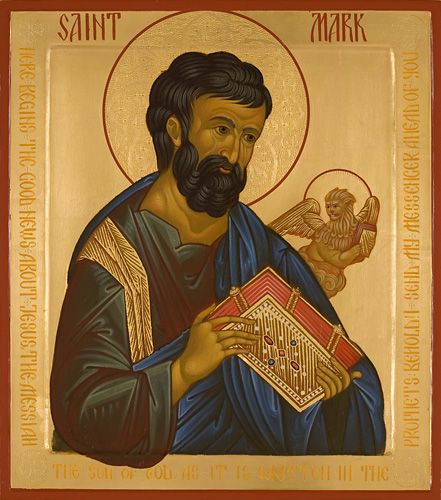
John Mark was born to a prosperous Jewish family in Cyrene (between modern day Libya & Egypt) and he was well educated. He died sometime around AD 62. John was his given name (first name) and his family surname was Mark. He was one of the four “evangelists” (one of the four authors of a gospel). He was the author The Gospel According to Mark, and he is understood to have been one of the 70 disciples(Luke 10:1-24) and ancient oral tradition says that he traveled with Simon Peter and acted as Peter’s interpreter and scribe. Mark was NOT one of the twelve apostles chosen by Jesus, however was an eye witness to the life of Jesus.
According to Eusebius of Caesarea (in his Ecclesiastical History), in AD 41, Herod Agrippa I, desired to please the orthodox Jewish leaders in Jerusalem, so “in the first year of his reign over the whole of Judea,” Agrippa had James, the son of Zebedee killed by the sword and he arrested Simon Peter, planning to kill him after the Passover. However, Peter was saved by an angel, who open the prison gates for him, and he fled to the house of Mary, the mother of John whose surname was Mark(Acts 12:12).
Peter then fled from Jerusalem, presumably with John Mark acting as his interpreter and scribe. From Jerusalem they went to Antioch, where the believers in the Jewish Sect of the Nazarene were first called Christians.
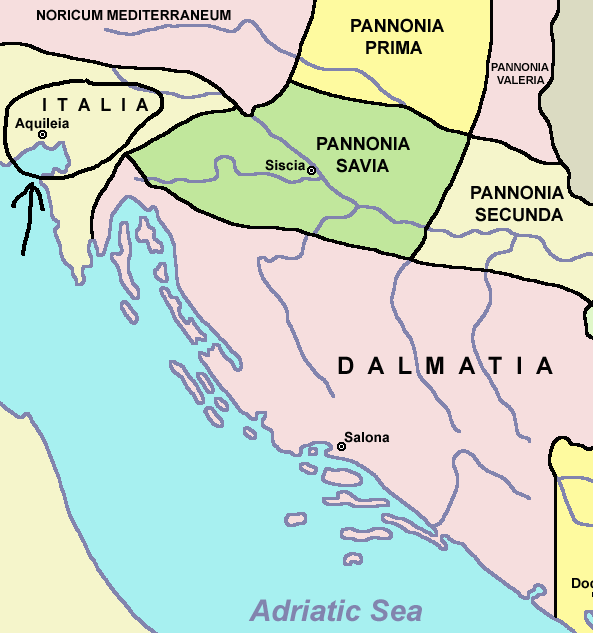
They continued to traveled north and evangelized the local Jews and the Gentile “God-fearers” of the diasporic Jewish synagogues of the region, passing through Asia Minor visiting the churches in Pontus, Galatia, Cappadocia, Asia, and Bithynia(1 Peter 1:1). From AD 41 through AD 43, they traveled through Anatolia (modern day Turkey) and they continued onto Greece and then Dalmatia (the Greek eastern shore of the Adriatic sea) as far as the Roman port city of Aquileia, on the northern end of the Adriatic sea (east of modern day Venice and west of modern day Trieste).
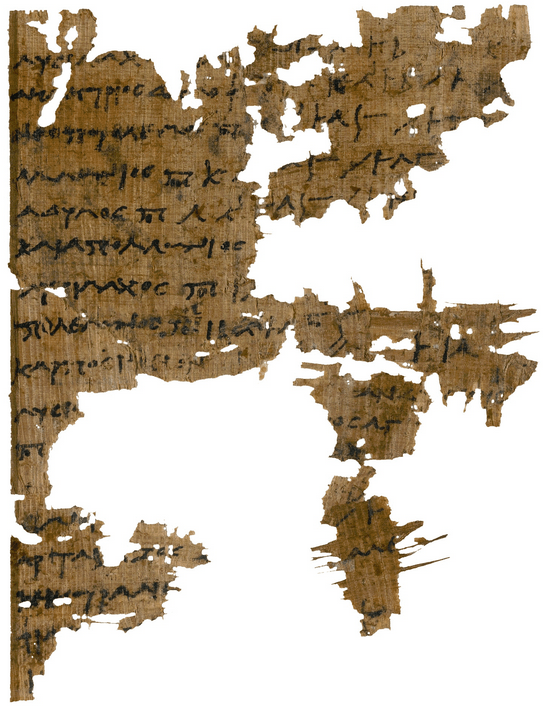
According to Hippolytus of Rome (who was a disciple of Irenaeus of Lugdunum, who was in turn discipled by Polycarp of Smyrna, who was discipled by John the Son of Zebedee, the who was the author of The Gospel According to John), and according to ancient Christian oral tradition, in Aquileia, Mark founded the See of Aquileia (and became the first bishop of Aquileia), prior to Mark’s subsequent mission to Alexandria, Egypt. According to Eusebius, Mark wrote The Gospel According to Mark, while he was in Aquileia.
Mark’s Gospel is often considered to be the earliest of the so called synoptic gospels (the other two synoptic gospels are the Gospel of Matthew and the Gospel of Luke). Some scholars consider Matthew to have written his gospel account earlier then Mark.
Peter went on to Rome, arriving there in the second year of Emperor Claudius (in AD 42 or 43; again according to the Eusebius of Caesarea).
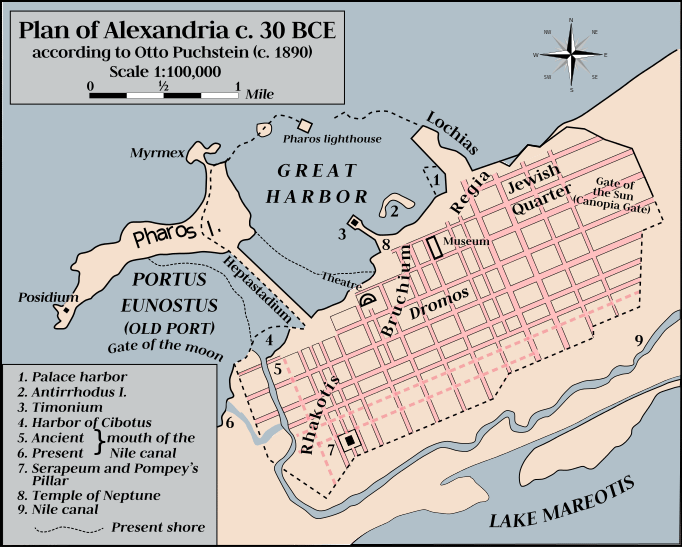
John Mark was a Cyrenian who was fluent not only in Greek, Latin, Aramaic (and was literate in ancient Hebrew), however, because he was also a native Coptic speaker, he was the natural disciple to evangelize the busy metropolis of Alexandria, Egypt, so with Simon Peter’s blessing he left Aquileia and sailed to Alexandria “in the third year of the Emperor Claudius” (around AD 43) where he established the church in Alexandria was seated as the first Bishop of Alexandria. The Archbishop of Alexandria held a leadership position which was also routinely referred to as the Patriarch of Alexandria or the Pope of Alexandria; the term pope is Latin for papa. The terms patriarch and pope, were interchangeable with the term archbishop in the first 6-8 centuries of Christianity. The Church in Alexandria, became one of the five most important, authoritative and influential churches of the first millennium of Christianity (along with the churches in Jerusalem, Antioch, Constantinople, and Rome).
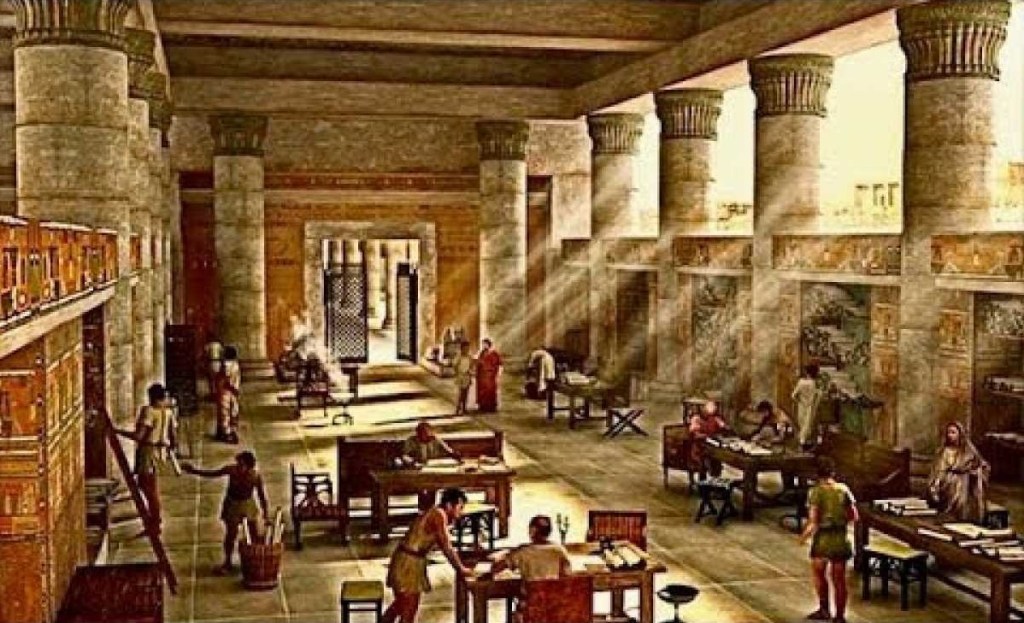
John Mark also established the great and influential Catechetical School of Alexandria located in or adjacent to the great Library of Alexandria (establish by Ptolemy the Great around 300 BC). Most likely the Catechetical School was located in the adjacent Musaeum Complex of Alexandria. Note that the Greek term musaeum meant any place that was dedicated to the Muses (the Hellenistic inspirational goddesses of literature, science, and the arts). A museum was generally a place related to the study of music or poetry or of the philosophical sciences (i.e., a university).
By the time Mark established the Catechetical School in Alexandria, Alexandria was the second largest city in the Roman Empire, and the largest port facility. The Museum of Alexandria was the greatest educational facility in the Roman Empire. It was de facto University of Alexandria which had surpassed Athens as a center of Greco-Roman learning and it housed numerous philosophical schools, including the Hellenistic Platonic, Aristotelian, Epicurean, Stoic, Cynical, Neo-Platonic and Pythagorean schools and the diasporic Hebrew school which was the source of the 70 Jewish scholars who translated the ancient Hebrew scriptures into the Koine Greek language of the Septuagint (the Greek language Old Testament ) in 250 BC. The Septuagint was the Old Testament source text the authors of the books of the New Testament used to quoted the ancient Jewish text. At the time of Mark, the Jewish Hebrew School in Alexandria was led by Philo of Alexandria. This academically sophisticated environment with its many public philosophical disputations force John Mark and the subsequent scholars of the Catechetical school to become sophisticated apologists for the Gospel of Christ and he and his followers ably rose to the occasions, initially and over the ensuing centuries.
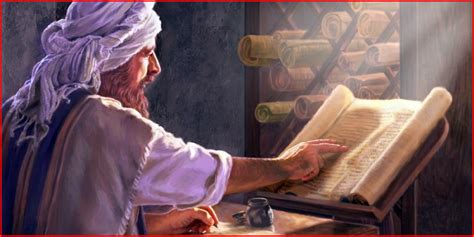
The early historical record of Mark’s Catechetical school is thin, at best, however it soon included an important scriptorium (an important “document copy center,” manned by literate scholar/scribes, which produced and widely disseminated copies of the original text documents of the nascent holy scriptures which would eventually be complied to form the New Testament of the Bible). Over the next 3-4 centuries the school grew (in fits and stops) until it became the foundational source of the Orthodox Theology of the Christian Religion (arguably in association with the intermittently existent Catechetical School of Antioch). The Christian scholars of the Catechetical School of Alexandria were the decisive leaders who advocated the orthodox views which became the official findings of each of the first four Ecumenical Councils of the Christian church as the church disputed and rejected the pernicious and diabolical heresies of those days.
The famous and influential head masters and students of the school include: Athenagoras (AD 176), Pantaenus (AD 180), Clement of Alexandria (AD 187), his pupil Origen of Alexandria (AD 203), his pupil, Dionysius the Great, of Alexandria (AD 248), and then Peter of Alexandria (AD 300), and Alexander of Alexandria (AD 313), Athanasius of Alexander, “the Black Dwarf” (AD 328), Didymus the Blind (AD 341), and Cyril of Alexandria (AD 412).
John Mark also may have finished his Gospel while he was the bishop of Alexandria. According to Eusebius, Mark died in Alexandria sometime around AD 62 and he was succeeded by Annianus as the second bishop of Alexandria. Ancient oral tradition says that Mark was martyred in Alexandria.
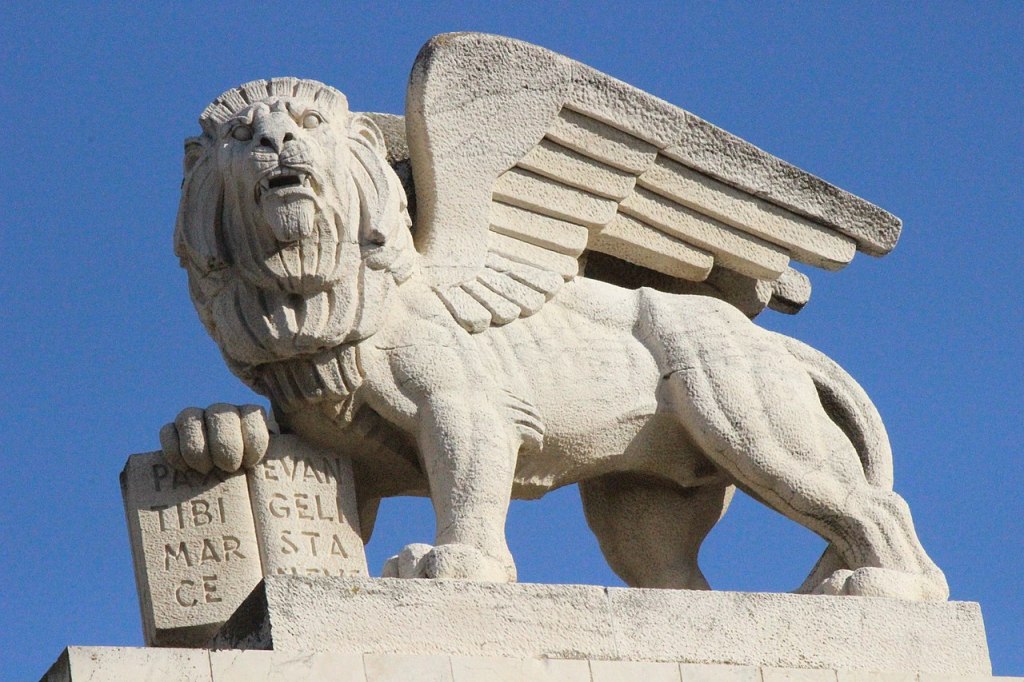
Early Christian illustrations of the four evangelists depict them as “the four living creatures” which are around the throne of God in Heaven (see Ezekiel 1:2-10 and Revelations 4:7-9). Saint Mark is symbolize him as a winged lion, (with Matthew, who is shown as a winged man or angel, Luke who is shown as a winged ox or bull, and John who is shown as an eagle).
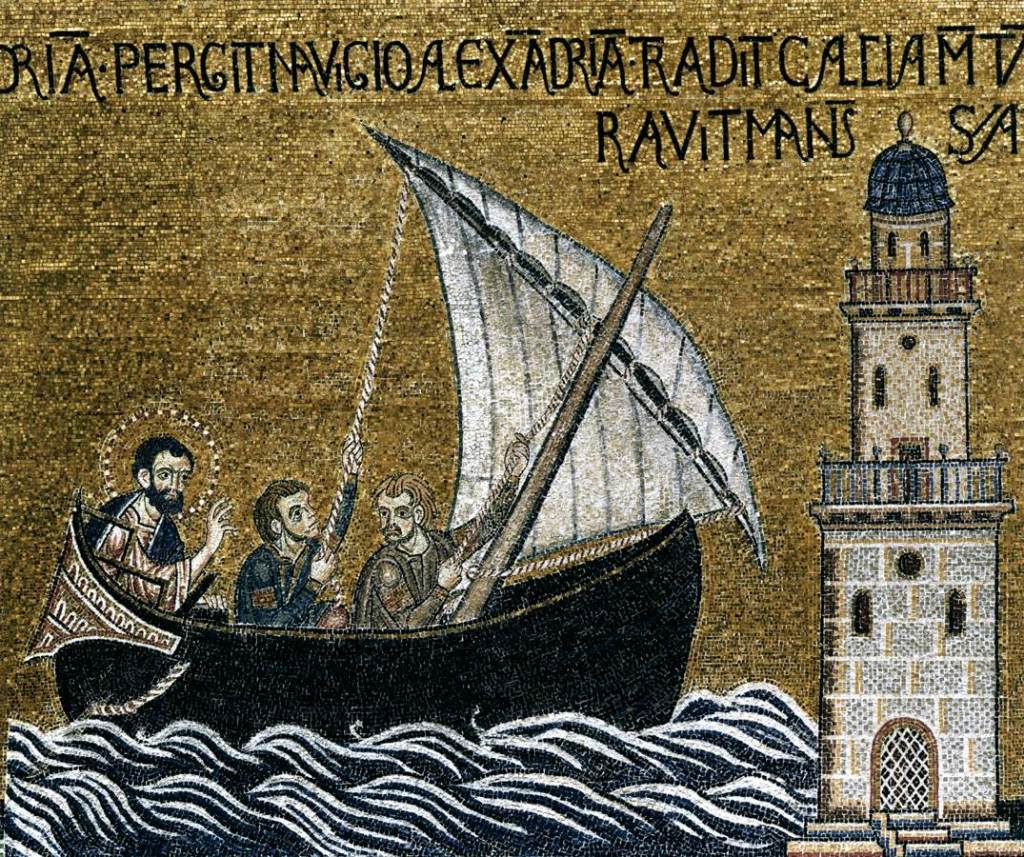
Early in the history of Venice, Saint Mark was adopted as the Venetian patron saint from Aquileia. In AD 829, Venetian merchants sailed to Alexandria where they were encourage to steel the relics of Mark the Evangelist from Alexandria (to protect them from the Muslim rulers of Alexandria, and they transported then back to Venice. They built the Basilica of Saint Mark located adjacent to (and connected to) the palace of the Doge of Venice on the Piazza San Marco (Saint Mark’s Square) to house the relics. The initial basilica was completed by 832 and the first St Mark’s Campanile (bell tower) was built during that same century.
Hippolytus of Rome (see A.D. 199) in On the Seventy Apostles distinguishes Mark the Evangelist (2 Tim 4:11), John Mark (Acts 12:12, 25; 13:5, 13; 15:37), and Mark the cousin of Barnabas (Col 4:10; Philemon 1:24). According to Hippolytus, they all belonged to the “Seventy Disciples” who were sent out by Jesus to disseminate the gospel (Luke 10:1 and following) in Judea and beyond.
If these post are interesting to you, you may also be interested in viewing: https://www.chosendemos.com/
 Lange's Christian Chronicle